Current position > Product detail
gear oil flow meter
『gear oil flow meter』Related information(v cone flow meter|rotary gas meter|gallon meter|gear meter|metal tube rotameter|glass tube rotameter|nutating disk meter|transit time ultrasonic flow meter|wedge flow meter|pd meters|hydraulic flow meter|ultrasonic water flow meter|water flow meter|air flow meter|magnetic water flow meter|oxygen flow meter|gas flow meter|argon flow meter|air velocity meter|gasoline flow meter|fuel flow meter|ultrasonic water meter|digital water meter|nitrogen flow meter|solid flow meter|Oxygen tank flow meter|digital water flow meter|diesel fuel flow meter|steam flow meter|02 flow meter|compressed air flow meter|oil flow meter|liquid flow meter)
 **Gear Oil Flow Meter: Precision Measurement for Industrial Lubrication**
In industrial environments where heavy machinery operates under high pressure and temperature, the precise measurement of gear oil flow is essential. Gear oil, known for its high viscosity and lubricating properties, is critical for reducing friction, dissipating heat, and protecting gearboxes, engines, and hydraulic systems. To ensure efficiency, safety, and cost-effectiveness, engineers rely on specialized instruments called gear oil flow meters. These devices provide accurate real-time data on the volume or mass of gear oil passing through a system, enabling better control over lubrication processes, maintenance scheduling, and resource management.
**How Gear Oil Flow Meters Work**
Gear oil flow meters typically employ positive displacement technology, which is well-suited for viscous fluids. The most common design is the oval gear flow meter, which consists of two rotating oval gears housed within a chamber. As gear oil flows through the meter, the pressure difference causes the gears to rotate. Each rotation traps a fixed volume of oil between the gear teeth and the chamber wall. By counting the number of rotations, the meter calculates the total volume of fluid passing through. This mechanism offers high accuracy (often within ±0.5% of reading) and repeatability, even under varying viscosity and flow conditions.
**Key Features and Advantages**
One of the primary advantages of gear oil flow meters is their ability to handle high-viscosity fluids. Unlike turbine or electromagnetic meters, which can struggle with thick oils, positive displacement meters maintain consistent performance. They also require minimal straight pipe runs for instal
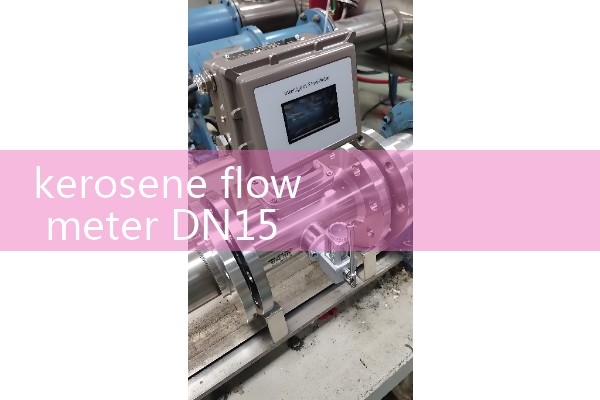 lation, making them suitable for compact systems. Many models are constructed from durable materials such as stainless steel or cast iron, resistant to corrosion and wear from abrasive particles. Additionally, gear oil flow meters can operate under high pressures (up to 300 bar or more) and wide temperature ranges, ensuring reliability in demanding applications.
**Applications in Industry**
Gear oil flow meters are widely used in various sectors. In manufacturing, they monitor the lubrication of conveyor systems, presses, and robotic arms, preventing over-lubrication (which can cause overheating and waste) or under-lubrication (which leads to equipment failure). In the automotive industry, they are used in engine test stands and transmission assembly lines to verify proper oil delivery. Marine and offshore applications rely on these meters to manage the lubrication of large diesel engines and winches. Furthermore, in oil and gas operations, gear oil flow meters help regulate the injection of lubricants into pumps and compressors, ensuring continuous operation in harsh environments.
**Installation and Maintenance Considerations**
To maximize accuracy and lifespan, proper installation is crucial. The flow meter should be installed in a location free from excessive vibration, temperature extremes, and air pockets. A bypass loop may be included to allow cleaning without shutting down the system. Routine maintenance involves checking for wear on the gears and seals, cleaning filters upstream, and verifying calibration. Many modern meters offer digital outputs (such as pulse or 4-20 mA signals) that integrate seamlessly with PLCs and SCADA systems for automated monitoring.
**Conclusion**
As industries continue to push th
『SILVER Official Website SERVICE』
User:flowgauge72d8eLast Time:07/22/2026