『turbine oil flow meter』Related information(v cone flow meter|rotary gas meter|gallon meter|gear meter|metal tube rotameter|glass tube rotameter|nutating disk meter|transit time ultrasonic flow meter|wedge flow meter|pd meters|hydraulic flow meter|ultrasonic water flow meter|water flow meter|air flow meter|magnetic water flow meter|oxygen flow meter|gas flow meter|argon flow meter|air velocity meter|gasoline flow meter|fuel flow meter|ultrasonic water meter|digital water meter|nitrogen flow meter|solid flow meter|Oxygen tank flow meter|digital water flow meter|diesel fuel flow meter|steam flow meter|02 flow meter|compressed air flow meter|oil flow meter|liquid flow meter)
**Understanding Turbine Oil Flow Meters: Principles, Applications, and Benefits**
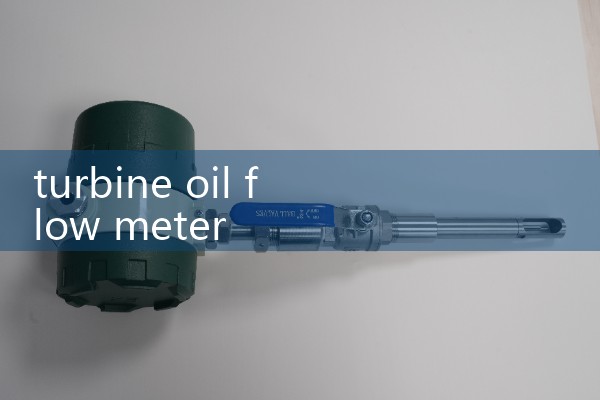
In the world of industrial fluid measurement, the turbine oil flow meter stands out as a reliable, accurate, and versatile instrument. Designed specifically to measure the flow rate of lubricating oils and other low-viscosity fluids, this device plays a critical role in ensuring the efficiency, safety, and longevity of machinery—particularly in large-scale power generation, marine propulsion, and heavy manufacturing environments. This article explores how turbine oil flow meters work, where they are used, and why they are indispensable in modern industry.
### How It Works
A turbine oil flow meter operates on a simple yet elegant mechanical principle: fluid moving through the meter causes a bladed rotor (the turbine) to spin. The rotational speed of the rotor is directly proportional to the flow velocity of the fluid. As the oil flows through the meter housing, it passes over a set of precision-mounted blades. A magnetic or optical sensor mounted externally detects the passage of each blade, converting the mechanical rotation into a series of electrical pulses. These pulses are then processed by an electronic readout or control system, which calculates the volumetric flow rate in real time.
Key to the meters accuracy is its design. The rotor is typically made of lightweight, corrosion-resistant materials such as stainless steel or hardened plastics. Bearings—often made of ceramic or tungsten carbide—minimize friction, allowing the rotor to respond quickly to changes in flow. The meter housing is carefully contoured to reduce turbulence and ensure a smooth, laminar flow profile. Because turbine meters measure velocity, they are inherently
linear over a wide operating range, making them ideal for applications where consistent precision is required.
### Applications in Industry
Turbine oil flow meters are most commonly found in systems that require precise lubrication monitoring. In a gas or steam turbine power plant, for instance, lubricating oil must be delivered at a constant, controlled rate to bearings and gears. Any deviation can lead to overheating, increased wear, or catastrophic failure. By installing a turbine flow meter on the oil supply line, operators receive real-time feedback, enabling them to adjust pumps, detect blockages, or identify early signs of pump degradation.
Beyond power generation, these meters are widely used in:
- **Marine engines:** Large ship engines rely on continuous oil circulation; flow meters help monitor consumption and ensure proper lubrication under varying loads.
- **Hydraulic systems:** In industrial presses, injection molding machines, and construction equipment, turbine meters track hydraulic oil flow for system diagnostics and maintenance scheduling.
- **Oil & gas refining:** During crude oil processing, turbine meters measure additive injection rates and lubricant flows in compressors and pumps.
- **Manufacturing:** In automated machining centers, precise oil flow is essential for cooling and lubricating cutting tools; flow meters prevent tool damage and extend service life.
### Advantages and Limitations
The popularity of turbine oil flow meters stems from several key benefits:
- **High accuracy:** Typical accuracies range from ±0.5% to ±1.0% of reading, with excellent repeatability.
- **Wide turndown ratio:** Many models can measure flow from very low to very high rates (up to 10:1 or 20:1) without sacrif



 **Understanding Turbine Oil Flow Meters: Principles, Applications, and Benefits**
In the world of industrial fluid measurement, the turbine oil flow meter stands out as a reliable, accurate, and versatile instrument. Designed specifically to measure the flow rate of lubricating oils and other low-viscosity fluids, this device plays a critical role in ensuring the efficiency, safety, and longevity of machinery—particularly in large-scale power generation, marine propulsion, and heavy manufacturing environments. This article explores how turbine oil flow meters work, where they are used, and why they are indispensable in modern industry.
### How It Works
A turbine oil flow meter operates on a simple yet elegant mechanical principle: fluid moving through the meter causes a bladed rotor (the turbine) to spin. The rotational speed of the rotor is directly proportional to the flow velocity of the fluid. As the oil flows through the meter housing, it passes over a set of precision-mounted blades. A magnetic or optical sensor mounted externally detects the passage of each blade, converting the mechanical rotation into a series of electrical pulses. These pulses are then processed by an electronic readout or control system, which calculates the volumetric flow rate in real time.
Key to the meters accuracy is its design. The rotor is typically made of lightweight, corrosion-resistant materials such as stainless steel or hardened plastics. Bearings—often made of ceramic or tungsten carbide—minimize friction, allowing the rotor to respond quickly to changes in flow. The meter housing is carefully contoured to reduce turbulence and ensure a smooth, laminar flow profile. Because turbine meters measure velocity, they are inherently
 Hot News
 Related AD