

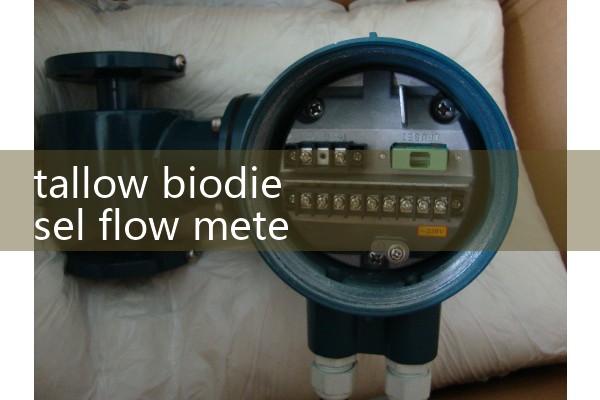
『tallow biodiesel flow meter』Related information(v cone flow meter|rotary gas meter|gallon meter|gear meter|metal tube rotameter|glass tube rotameter|nutating disk meter|transit time ultrasonic flow meter|wedge flow meter|pd meters|hydraulic flow meter|ultrasonic water flow meter|water flow meter|air flow meter|magnetic water flow meter|oxygen flow meter|gas flow meter|argon flow meter|air velocity meter|gasoline flow meter|fuel flow meter|ultrasonic water meter|digital water meter|nitrogen flow meter|solid flow meter|Oxygen tank flow meter|digital water flow meter|diesel fuel flow meter|steam flow meter|02 flow meter|compressed air flow meter|oil flow meter|liquid flow meter)
 **Tallow Biodiesel Flow Meter: A Critical Component for Efficient Production and Quality Control**
The production of biodiesel from animal fats, such as tallow, has gained significant traction as a sustainable alternative to fossil fuels. Tallow, derived from beef or mutton fat, offers a high-energy, low-cost feedstock for biodiesel. However, the unique physical and chemical properties of tallow—such as its high viscosity, variable impurity content, and tendency to solidify at lower temperatures—pose specific challenges for processing. Among the critical instruments in a tallow biodiesel plant, the flow meter stands out as an unsung hero, ensuring accurate measurement, process efficiency, and product quality.
**Why a Specialized Flow Meter Matters**
Tallow biodiesel production involves several stages: feedstock pretreatment, transesterification, separation, washing, and purification. At each step, precise flow measurement is essential. Unlike conventional diesel or vegetable oils, tallow is a viscous, often semi-solid material at room temperature. Standard flow meters designed for low-viscosity liquids may fail when handling hot tallow or its biodiesel derivatives. A flow meter that cannot handle high viscosity, temperature fluctuations, or particulate content will lead to inaccurate readings, process inefficiencies, and potential equipment damage.
A properly selected tallow biodiesel flow meter must meet several criteria: high accuracy across varying viscosities, resistance to fouling from fatty deposits, compatibility with high temperatures (often up to 80–120°C during processing), and the ability to handle corrosive environments (e.g., catalysts like sodium methoxide). Moreover, the flow meter must support the str
 Hot News
 Related AD