

『Chilled Water Flow Meter Installation: Upstream Straight Pipe Run Layouts』Related information(v cone flow meter|rotary gas meter|gallon meter|gear meter|metal tube rotameter|glass tube rotameter|nutating disk meter|transit time ultrasonic flow meter|wedge flow meter|pd meters|hydraulic flow meter|ultrasonic water flow meter|water flow meter|air flow meter|magnetic water flow meter|oxygen flow meter|gas flow meter|argon flow meter|air velocity meter|gasoline flow meter|fuel flow meter|ultrasonic water meter|digital water meter|nitrogen flow meter|solid flow meter|Oxygen tank flow meter|digital water flow meter|diesel fuel flow meter|steam flow meter|02 flow meter|compressed air flow meter|oil flow meter|liquid flow meter)
Chilled Water Flow Meter Installation: Upstream Straight Pipe Run Layouts
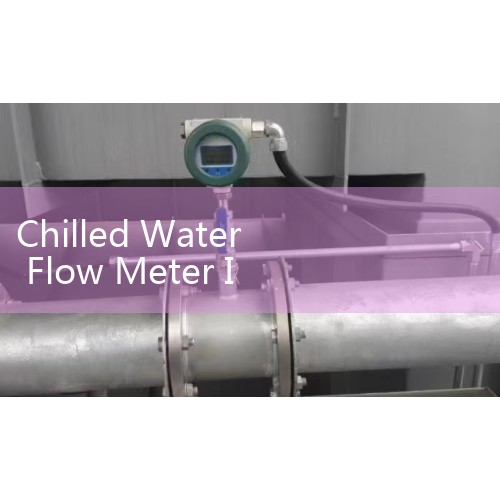
Quick Answer: A chilled water flow meter needs a stable velocity profile to meet its accuracy spec. For an inline electromagnetic flow meter in a closed chilled water loop, keep 10D upstream and 5D downstream as the minimum. If the meter sits close to a chiller pump or control valve, increase the upstream length to 15D or 20D. Silver Instruments can review your layout when you send pipe size DN and flow range.
Straight Pipe Run Shapes Accuracy on Chilled Water Systems
Chilled water is clean but not always stable. Pumps, elbows, reducers and partially open valves create swirl and asymmetric velocity profiles. A flow meter reads velocity at its sensor point. If the profile is distorted the meter output shifts. The result shows up as a bias error in BTU meters or chiller performance logs.
In practice many HVAC contractors skip the straight run check because the mechanical room is tight. The result is a meter that passes factory calibration but fails site acceptance. The root cause is a layout problem, not a product quality problem. Most engineers skip this part until the commissioning stage.
Recommended Minimum Layouts for Electromagnetic Meters
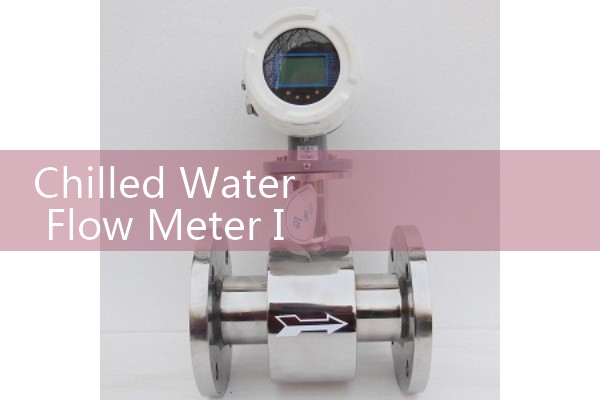
For a standard inline electromagnetic flow meter on chilled water, Silver Instruments uses 10D upstream and 5D downstream as the baseline. D means the internal pipe diameter. A DN100 meter needs 1000 mm of straight pipe before the sensor and 500 mm after. If the upstream fitting is a single elbow in the same plane, 10D often works. If the upstream includes a pump discharge, a control valve, or two elbows in different planes, use 15D to 20D upstream. This is not extra cost. It is the cheapest way to protect repeatability.
We have seen this on customer sites. A facility in Saudi Arabia installed a DN150 electromagnetic meter only 3D after a butterfly valve. The flow reading jumped 4 percent when the valve position changed. After moving the meter to a longer spool, the reading settled. The valve was not bad. The flow profile was bad.
Chilled water conductivity is normally between 50 and 800 µS/cm. That is enough for a magmeter to work well. But do not use a strainer body as a straight run. A strainer creates non uniform flow even when it is clean. When the basket starts to load, the profile gets worse.
Ultrasonic Flow Meter Upstream Requirements for Chilled Water
Inline ultrasonic flow meters and clamp-on meters need a more stable profile than electromagnetic meters. Plan for 15D upstream and 10D downstream after a pump or a strainer. For clamp-on meters on old chilled water pipes, avoid locations with scale or trapped air. Chilled water pipes can pull in air at high points or during chiller start. Air bubbles scatter the ultrasonic signal. The meter shows zero flow or a loss of signal. A common fix is to move the sensors to a downward vertical run with full pipe flow.
For inline ultrasonic meters on a district cooling loop, use the same 15D upstream rule. If the pipe is DN300 and the only available straight section is 2 meters, install a flow conditioner or switch to an electromagnetic meter. A flow conditioner helps but adds pressu
Installer Mistakes We See on Chilled Water Flow Meter Jobs
The most common mistake is mounting an electromagnetic flow meter right after a chiller pump. The pump creates swirl and it traps small air bubbles during startup. The meter then misreads flow and the control system makes wrong valve commands. Put the meter at least 15D after the pump discharge. The second mistake is a partially full pipe. Chilled water meters need a full pipe. Install the meter on a vertical riser or a low point, not at the top of a horizontal run. Third, forgetting grounding rings on plastic pipes causes unstable readings. This is common in cooling tower makeup lines with PVC pipe.
Suggested Layout Values by Pipe Size
Use these as a starting point for chilled water flow meter placement. Different meter types and pipe fittings change the required length.
- DN15 to DN40 chilled water lines: 10D upstream and 5D downstream when the only upstream fitting is an elbow.
- DN50 to DN150 HVAC flow meters: 10D upstream minimum, 15D after a pump or control valve.
- DN200 to DN600 district cooling mains: 15D upstream and 10D downstream, especially with inline ultrasonic meters.
How to Confirm a Layout Before You Buy
Send us your pressure in bar, temperature in °C, pipe size in DN, and flow range. Include a simple sketch if you have one. Our engineers mark the needed straight length and recommend the right flow meter model. Most chilled water applications only need a standard electromagnetic flow meter with 4-20 mA HART output and PT100 temperature input for BTU calculation. For cooling towers with conductive water, a corrosion resistant electrode material works well. For district cooling with large pipes, an inline electromagnetic or ultrasonic meter fits.
Contact Silver Instruments at Tel: +86-135-1213-1526, WhatsApp: 86-135-12131526, or WeChat: +86 13512131526. You can also visit flow-meter.com.au for technical datasheets.
FAQ
What is the minimum straight length for a chilled water electromagnetic flow meter?
Use 10D upstream and 5D downstream after a single elbow. After a pump or control valve, use 15D upstream or more.
Can I install a chilled water flow meter in a vertical pipe?
Yes. A vertical riser with upward flow is often better than a horizontal run because the pipe stays full and air escapes.
Does a clamp-on ultrasonic meter need more straight run than an inline electromagnetic meter?
Yes. Plan for 15D upstream and 10D downstream. Clamp-on meters are more sensitive to flow profile and pipe wall condition.
What happens if I ignore straight pipe requirements?
You may see a stable but shifted flow reading. Site acceptance tests can fail or the chiller plant energy data becomes unreliable.
Which flow meter does Silver Instruments recommend for chilled water?
A standard inline electromagnetic flow meter works for most closed chilled water loops. For temporary checks on large pipes, a clamp-on ultrasonic meter is a good option.
Send your layout to Silver Instruments for a free straight run check.
 Hot Product
 Related AD